
Modern organizations face a clear challenge. Workplaces and educational spaces must adapt to hybrid environments, rising expectations, and rapid technological change. Many businesses still rely on outdated systems that limit collaboration, reduce engagement, and create inefficiencies. As a result, leaders are actively searching for smarter solutions that improve communication, productivity, and user experience. This is where audio visual technology trends 2026 become critical. These trends are not just upgrades. They represent a shift toward intelligent, connected, and scalable environments that support both in-person and remote interactions. Companies that adopt these solutions early will gain a strong competitive advantage.
Capstream Technologies stands at the forefront of this transformation. With a strong focus on scalable AV systems and future-ready designs, Capstream helps businesses and institutions in Buffalo and beyond build environments that truly support modern communication. Their approach combines advanced technology with practical implementation, ensuring long-term value and adaptability.
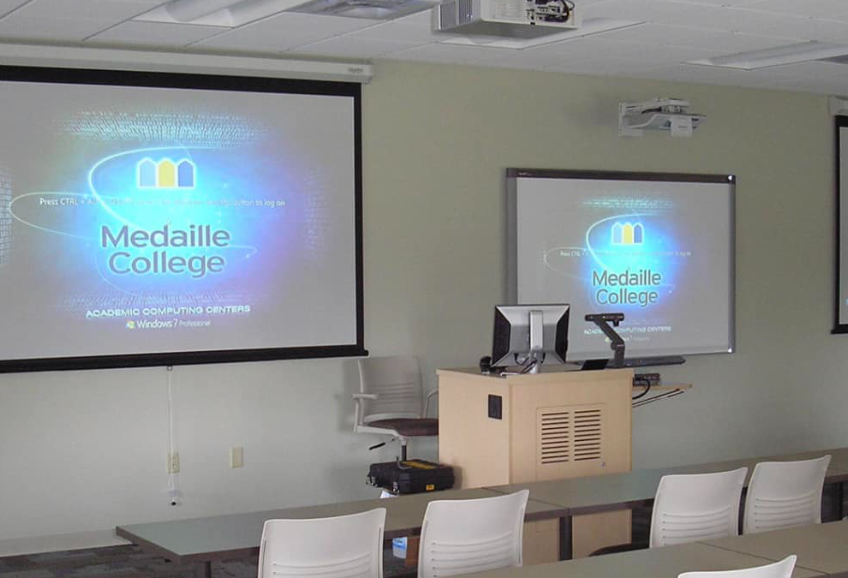
1. The Biggest Audio Visual Technology Trends 2026 Decision Makers Need to Watch
The audio visual technology trends 2026 highlight a move toward smarter, more integrated systems. Decision-makers must understand these trends to stay competitive.
1.1: AI-Powered AV Automation
Artificial intelligence is transforming AV systems. It now controls cameras, microphones, and meeting workflows.
- Cameras automatically track speakers
- Microphones adjust based on voice direction
- Real-time transcription improves meeting documentation
- AI enhances noise cancellation and clarity
This reduces manual effort. It also improves meeting efficiency and accessibility.
1.2: AVoIP and Network-Based AV Systems
AV over IP (AVoIP) is replacing traditional infrastructure.
- Easier scalability across buildings or campuses
- Lower cabling complexity
- Centralized control through networks
- Seamless integration with IT systems
Organizations now prefer flexible systems that grow with them.
1.3: Smarter Collaboration Spaces
Hybrid work demands better collaboration tools.
- Video conferencing systems with low latency
- Wireless content sharing
- Integrated scheduling systems
- Smart room booking displays
These solutions support both remote and in-person teams.
1.4: Interactive Displays and Immersive Environments
Interactive technology boosts engagement.
- Touch-enabled displays for presentations
- Digital whiteboards for brainstorming
- Immersive projection systems
- AR/VR integration in training
These tools improve learning and communication outcomes.
1.5: Digital Signage and Multi-Screen Communication
Digital signage is evolving rapidly.
- Real-time updates across multiple screens
- Targeted messaging based on audience
- Integration with data systems
- Use in corporate, education, and healthcare spaces
1.6: Unified Control Systems
Users want simplicity.
- One interface to control lighting, audio, and video
- Mobile or tablet-based control
- Automated presets for meetings or events
2. Why 2026 is a Turning Point for Organizations That Want Smarter, Future-Ready Spaces
The year 2026 represents a major shift in how organizations approach technology, communication, and space design. Businesses and educational institutions are no longer treating AV systems as optional upgrades. Instead, they now view them as essential infrastructure that directly impacts productivity, engagement, and long-term growth. The rapid evolution of hybrid work models, digital learning environments, and global collaboration has created an urgent need for systems that are not only functional but also intelligent and adaptable. As a result, organizations that fail to align with audio visual technology trends 2026 risk falling behind competitors who are already investing in smarter, future-ready environments. At the same time, user expectations have changed significantly. Employees, students, and stakeholders now expect seamless communication experiences regardless of their location. They want meetings that start instantly, presentations that are interactive, and environments that support real-time collaboration without technical barriers. Outdated AV setups often create frustration, delays, and disengagement, which directly affects performance and decision-making. Therefore, 2026 is not just another year of gradual change. It is a turning point where organizations must rethink how their spaces function and how technology supports their people.
Another key factor driving this shift is the increasing integration of AV with IT infrastructure. Modern systems rely on network-based solutions, cloud platforms, and AI-powered automation. These technologies enable scalability, remote management, and data-driven insights, which are essential for organizations looking to optimize operations. By adopting solutions aligned with audio visual technology trends 2026, businesses can future-proof their investments and ensure their systems remain relevant as technology continues to evolve.
From a brand perspective, Capstream Technologies plays a critical role in helping organizations navigate this transition. Their expertise in designing and implementing scalable AV solutions allows businesses in Buffalo and beyond to move confidently into this new era. Capstream does not just install systems. They create environments that support innovation, improve communication, and adapt to future demands. By partnering with Capstream Technologies, organizations gain access to forward-thinking strategies and reliable support, ensuring their spaces are not only modern today but also ready for the challenges of tomorrow.
3. How Modern AV Improves Productivity, Participation, Accessibility, and Experience
Modern AV systems directly impact performance. They do more than display content.
Productivity
Modern AV systems reduce delays and technical issues in daily operations. Features like one-touch meeting start, wireless sharing, and automated setups save time. As a result, teams focus more on tasks instead of fixing problems. This directly aligns with audio visual technology trends 2026, where efficiency is a top priority.
Participation
Advanced AV tools create equal experiences for both in-person and remote participants. AI-powered cameras and smart audio ensure everyone is seen and heard clearly. Therefore, meetings become more engaging and collaborative. This leads to better idea sharing and stronger team alignment.
Accessibility
Today’s AV systems are designed to be inclusive. Features like live captions, audio enhancement, and language translation support diverse users. Because of this, organizations can ensure that everyone can participate fully. Accessibility is now a key part of audio visual technology trends 2026.
Experience
High-quality visuals, clear sound, and simple controls improve the overall user experience. People can start meetings quickly and present with confidence. Additionally, interactive displays make communication more engaging. Capstream Technologies helps businesses implement these solutions, creating smooth and professional environments that enhance every interaction.
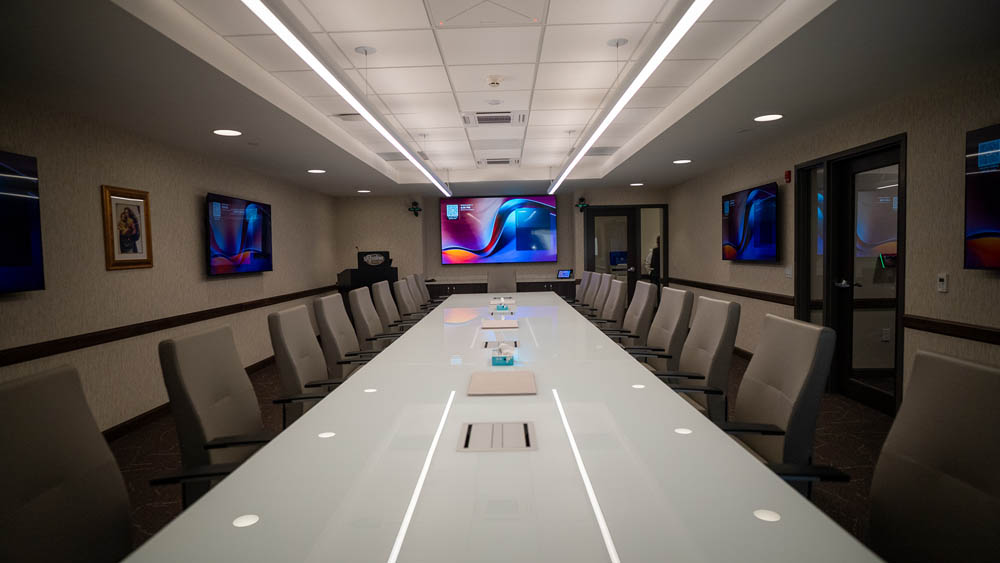
4. How AI Is Changing Audio Visual Experiences in Work and Education
Artificial intelligence is rapidly transforming how organizations use AV systems, making them more intelligent, responsive, and efficient. As part of the evolving audio visual technology trends 2026, AI is no longer just an added feature. Instead, it plays a central role in improving how people communicate, collaborate, and learn. In both workplaces and educational environments, AI-powered AV systems automate tasks that once required manual effort. For example, cameras can now automatically track speakers, microphones adjust based on voice direction, and systems optimize audio and video settings in real time. Because of this, users experience smoother and more professional interactions without needing technical expertise.
In the workplace, AI enhances meeting efficiency and overall communication quality. Intelligent systems can generate real-time transcriptions, translate conversations, and even summarize key discussion points. As a result, teams can stay focused on decision-making rather than documentation. Additionally, AI-driven analytics provide insights into room usage, meeting patterns, and system performance. This helps organizations make data-backed decisions to improve productivity and space utilization. These advancements clearly show how audio visual technology trends 2026 are shifting AV systems from passive tools to active contributors in business operations. In educational settings, AI is reshaping how students learn and how instructors deliver content. Lecture capture systems can automatically record and organize sessions, while AI-powered platforms provide real-time captions and language support. This ensures that students with different learning needs can access information more easily. Furthermore, AI enables personalized learning experiences by analyzing student engagement and adapting content delivery accordingly. Because of these capabilities, educational institutions can create more inclusive and effective learning environments.
5. More Effective Training Rooms, Conference Rooms, and Executive Spaces
Modern AV systems transform professional environments.
Training Rooms
- Interactive displays improve learning retention
- Recording systems allow replay of sessions
- Real-time quizzes and feedback tools
Conference Rooms
- Automated meeting setups
- Integrated video conferencing
- Smart scheduling systems
Executive Spaces
- High-end presentation systems
- Secure communication channels
- Custom AV environments for leadership needs
These upgrades create more efficient and impactful spaces.
6. Where These Audio Visual Solutions Deliver the Most Value
Different environments benefit from AV solutions in unique ways.
Conference Rooms and Boardrooms
- Clear communication during meetings
- Professional presentation capabilities
- Seamless remote participation
Training Centers and Collaboration Hubs
- Interactive learning tools
- Flexible room configurations
- Enhanced engagement
Classrooms and Lecture Halls
- Digital learning integration
- Lecture capture systems
- Student interaction tools
Lobbies and Digital Signage Zones
- Brand messaging
- Real-time updates
- Visitor engagement
Operations Centers and Healthcare Facilities
- Real-time data visualization
- Critical communication systems
- Reliable performance under pressure
Each of these environments reflects the impact of audio visual technology trends 2026.
7. How to Implement Audio Visual Technology Trends 2026 Step by Step
Organizations often struggle with implementation. A clear process helps.
Step 1: Assess Current Infrastructure
- Identify outdated systems
- Evaluate performance gaps
- Understand user needs
Step 2: Define Goals
- Improve collaboration
- Enhance learning environments
- Increase efficiency
Step 3: Choose Scalable Solutions
- Select AVoIP systems
- Ensure compatibility with existing IT infrastructure
- Plan for future expansion
Step 4: Design User-Friendly Systems
- Focus on simplicity
- Use unified control systems
- Reduce complexity
Step 5: Implement and Test
- Install hardware and software
- Conduct thorough testing
- Train users
Step 6: Monitor and Optimize
- Use analytics to track usage
- Perform regular updates
- Improve based on feedback
Following this process ensures successful adoption of audio visual technology.
8. How Capstream Technologies Helps Build Smarter, Scalable AV Environments
Building a modern AV environment requires more than just installing advanced equipment. Organizations need solutions that are scalable, easy to use, and aligned with long-term goals. This is where Capstream Technologies plays a critical role. By focusing on the latest audio visual technology trends, Capstream helps businesses and institutions design AV systems that support growth, improve communication, and adapt to future needs. Their approach begins with understanding each client’s unique environment, whether it is a corporate office, educational campus, or multi-use facility. This ensures that every solution is tailored, not generic.
Capstream Technologies emphasizes scalability as a core part of every project. Instead of building systems that quickly become outdated, they implement flexible, network-based AV solutions that can expand as organizations grow. For example, AVoIP systems allow seamless integration across multiple rooms or buildings without major infrastructure changes. As a result, clients can add new capabilities over time without starting from scratch. This forward-thinking strategy reflects the true value of audio visual technology, where adaptability is essential for long-term success. In addition to scalability, Capstream focuses heavily on user experience. Many organizations struggle with complex AV systems that require constant IT support. However, Capstream designs unified control systems that simplify operations. Users can manage audio, video, lighting, and conferencing tools through a single interface, often from a tablet or mobile device. Because of this, employees and educators can use the technology confidently without needing technical expertise. This ease of use improves adoption rates and ensures that AV systems deliver real value in everyday operations.
Another key advantage of working with Capstream Technologies is their commitment to ongoing support and system optimization. Modern AV environments require regular monitoring, updates, and maintenance to perform at their best. Capstream provides remote monitoring and proactive support services, allowing potential issues to be identified and resolved before they impact users. This reduces downtime and ensures consistent performance across all spaces. Furthermore, their use of analytics helps organizations understand how their AV systems are being used, enabling continuous improvement. From a strategic standpoint, Capstream Technologies acts as a long-term partner rather than just a service provider. They stay ahead of audio visual technology trends and continuously bring innovative solutions to their clients. For businesses and institutions in Buffalo, this means having access to cutting-edge AV systems that are reliable, scalable, and designed for the future. By choosing Capstream Technologies, organizations can confidently invest in environments that enhance collaboration, improve learning outcomes, and support ongoing digital transformation.
Conclusion
The rapid evolution of audio visual technology is reshaping how organizations communicate, collaborate, and learn. From AI-powered automation to scalable AVoIP systems, modern AV solutions are no longer optional. They are essential for creating environments that support productivity, engagement, and accessibility. Businesses and educational institutions that embrace these advancements are better positioned to meet the demands of hybrid work, digital learning, and future growth. At the same time, the shift toward smarter AV environments requires careful planning and expert implementation. Without the right strategy, organizations risk investing in systems that quickly become outdated or underutilized. This is why working with an experienced partner makes a significant difference. Capstream Technologies helps bridge the gap between innovation and practical application by delivering tailored, scalable AV solutions that align with real-world needs.
Whether you are upgrading conference rooms, building collaborative workspaces, or enhancing learning environments, Capstream Technologies provides the expertise and support needed to stay ahead of audio visual technology trends 2026. Their forward-thinking approach ensures your systems are not only modern today but also ready for tomorrow.
Ready to transform your workplace or learning space? Contact Capstream Technologies today and take the first step toward building a smarter, more connected, and future-ready environment.

Howard Martin, Jr. is an Owner/Partner at Capstream Technologies with more than 20 years of experience in IT, finance, and business strategy. He oversees finance, accounting, customer support, and business development while helping organizations identify practical technology solutions that support real operational needs.